
Every Child Deserves Optimal Nutrition in the First Years of Life.
Canada is joining the World Breastfeeding Trends initiative (WBTi) for the first time, a global effort led by the International Baby Food Action Network (IBFAN) to assess how countries implement the WHO/UNICEF Global Strategy for Infant and Young Child Feeding (IYCF).
Why It Matters
Breastfeeding saves lives and promotes lifelong health. WBTi provides an evidence-based review of how Canada protects, promotes, and supports breastfeeding and optimal IYCF practices, highlighting strengths, identifying gaps, and driving change.
Our Mission
The WBTi Canada Core Team includes experts from civil society, academia, public health, professional associations, and NGOs and will:
- Assess 15 global indicators (10 policy/programs, 5 practice)
- Collect and analyze national/provincial data and policies
- Engage governments, NGOs, Indigenous leaders, health professionals, and researchers
- Identify strengths and gaps
- Recommend solutions
- Publish a bilingual Canadian WBTi Report
Our Approach
We strive for an approach that is inclusive, collaborative, and evidence-driven, reflecting Canada’s diversity.
Impact
Results will be included in the global WBTi database, inform national strategies, influence policy, and strengthen support for breastfeeding across Canada.
Join Us
Collaboration is key. Partners nationwide are encouraged to contribute expertise, share data, and help strengthen policies and practices that support optimal nutrition for all infants and young children in Canada.
Meet the Team

Laurie Twells
(she/her) PhD, CO-LEAD
Dr. Laurie Twells is a professor and associate dean in the Division of Population Health and Applied Health Sciences in the Faculty of Medicine at Memorial University in Newfoundland and Labrador (NL). Dr. Twells was a co-lead on both the NL Baby Friendly Breastfeeding Research Working Group (2007-2024) and a translational program of research focused on improving breastfeeding rates in NL by understanding communities, social determinants of health, and health care systems, including evaluating interventions that protect, promote, and support breastfeeding.

Elisabeth Sterken
MSc, Dt, CO-LEAD
Elisabeth Sterken is a Co-Lead of WBTi Canada and a respected nutritionist who has spent more than 30 years advancing breastfeeding protection, promotion, and support nationally and globally. She has held leadership roles in IBFAN, including Regional Coordinator for North America, past Chair of the Global Council, and Chair of the Codex Working Group, advocating globally for breastfeeding protection and the implementation of the International Code of Marketing of Breastmilk Substitutes. She has coordinated national campaigns, organized over 100 trainings, and contributed to international policy development on infant nutrition. A founding member of the Breastfeeding Committee for Canada and a frequent collaborator with UN agencies, Elisabeth has contributed extensively to policy, training, and research to improve infant and young child health. IBFAN received the Right Livelihood Award in 1998 for global advocacy.
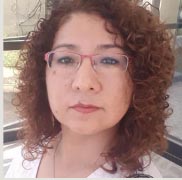
Gulpiya Uygur
(she/her), MD, PhD, CORE TEAM MEMBER
Dr. Gulpiya Uygur obtained her medical degree with a major in maternal and child health. After three years of clinical practice, she completed her master’s and Ph.D. in Public Health. She has taught and conducted research on various public health topics in Malaysia, Singapore, Turkey, Northern Cyprus, and Canada. Currently, she teaches in the Division of Population Health and Applied Health Sciences at the Faculty of Medicine, Memorial University of Newfoundland. Her research focuses on maternal and child health, particularly early childhood nutrition, maternal protection, breastfeeding practices in the context of HIV, and health policies that support mothers and children.

Haileigh Robb
(she/her) RD, MPH, CORE TEAM MEMBER
Haileigh Robb is a WBTi Canada core team member, Registered Dietitian, and Board of Directors with the Breastfeeding Committee for Canada. Currently, she works as an Early Years Consultant with Nova Scotia Health, Public Health, where she supports the development, implementation and evaluation of policies and programs that improve nutrition and health for infants and young children across the province. With expertise in public health policy, health equity, and early childhood nutrition, Haileigh plays a key role in advancing Baby-Friendly Initiative (BFI) practices and strengthening breastfeeding supports.
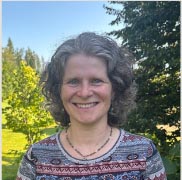
Isabelle Michaud-Létourneau
(she/her/elle) RD, MPH, PhD, CORE TEAM MEMBER
Dr. Isabelle Michaud-Létourneau has been active in clinical, community, public, and international nutrition since 2003. She currently serves as the Executive Director of the Quebec Breastfeeding Movement (Mouvement allaitement du Québec – MAQ), a provincial organization dedicated to fostering environments that support and enable breastfeeding. She is also an Adjunct Professor at the School of Public Health at Université de Montréal, and teaches in the Advanced Interdisciplinary Breastfeeding Program at the Université du Québec à Trois-Rivières (UQTR). Dr. Michaud-Létourneau’s leadership is grounded in collaboration, professional training, and the development and evaluation of public policies that reflect the diverse realities and needs of families.

Jennifer Abbass Dick
PhD, CORE TEAM MEMBER
Dr. Abbass Dick has worked with perinatal families as both a Registered Nurse and IBCLC in the hospital and community throughout her career. She is dedicated to assisting and empowering parents to have a positive and healthy transition to parenthood. She is currently an Associate Professor at Ontario Tech University. Her research focuses on creating websites and educational resources in partnership with parent groups and health care providers to standardize breastfeeding education and increase health literacy and rates.

Jen Peddlesden
(she/her) BSc Pharm, CORE TEAM MEMBER
A retired pharmacist (U of A 1970- 2010) and retired IBCLC (1988-2018), Jen Peddlesden became a La Leche League Canada Leader in 1980. In 2013 Jen completed the IBFAN/INFACT Training on the International Code of Marketing of Breastmilk Substitutes and provided education on ‘The Code’ locally, and internationally. As a representative of the Canadian Pharmacists Association (CPhA) from 1992 to 2005 on the Breastfeeding Committee for Canada (BCC) she wrote the 1994/2002 CPhA Breastfeeding and Infant Feeding Policy Statements on Breastfeeding, and was Co-Chair of the BCC 1998-2000. Based in Chestermere Lake, Alberta, she races an Optimist dinghy against young sailors – proudly proving that adventure has no age limit. She embraces the joy, mentorship, and camaraderie that come from being on the water with youngsters–and from helping young families with breastfeeding.

Stephanie George
(she/her) CORE TEAM MEMBER
Stephanie George is an Indigenous Midwife and member of the Oneida Nation, Turtle Clan, serving as a core team member with WBTi Canada. She is an International Board Certified Lactation Consultant (IBCLC) and Birth and Lactation Care Certified (BCLC) provider with extensive experience supporting Indigenous families through pregnancy, birth, and infant feeding. Stephanie is a dedicated educator and speaker, sharing her expertise through trauma-aware care workshops and her instructional role at McMaster University. She is currently pursuing her Master of Science at McMaster, where her work continues to advance culturally grounded reproductive and perinatal health for Indigenous communities across Turtle Island.

Claire McCarthy
(she/her) ADMINISTRATIVE ASSISTANT
Claire McCarthy is the Administrative Assistant for WBTi Canada, where she provides administrative and logistical support to the Core team. She assists with data management, document preparation, and communications, and helps ensure the smooth coordination of research efforts. She is a Psychology student at Memorial University of Newfoundland with a strong interest in educational and developmental psychology. Outside of her academic and professional work, Claire is a competitive target shooter, known for her precision, focus, and dedication – qualities that she brings to both her sport and her work with the WBTi team.

Zoey Healey
(she/her) MScMed, COORDINATOR
Zoey Healey is the National Coordinator for WBTi Canada, where she supports national research, data collection, and knowledge translation efforts to assess and strengthen policies and programs that protect, promote, and support breastfeeding and optimal infant and young child nutrition. She is currently a medical student at Memorial University of Newfoundland and holds a Master’s degree in Applied Health Services Research from the same institution. Zoey is passionate about maternal, paternal, and child health, with a particular focus on postpartum mental health and the well-being of families. Outside of her academic and research pursuits, she is an avid volunteer with Scouts Canada, supporting youth leadership and outdoor education initiatives.
Acknowledging the Past, Acting for the Future: A Call for Justice in Indigenous Maternal and Child Health
- We begin by acknowledging that we are on the traditional territory of Indigenous Peoples of Turtle Island, the original stewards of this land. A true land acknowledgement must go beyond speaking of history; it must also acknowledge the ongoing harms enacted upon these communities.
- We must confront the painful truth that genocidal government policies, among others, deliberately targeted the health and survival of Indigenous families. By forcibly severing connections to traditional nurturing wisdom and first foods, removing birth from the land, and forcing birthing parents out of their own communities into a location unfamiliar to them, these racist policies created cycles of trauma, malnutrition, and loss that continue to impact birthing, infant feeding, and our communities’ health today. The generational harm caused by aggressive formula promotion, especially in communities without clean water, and the very high price of food, was not an accident it was a tool of subjugation. This legacy is a living truth, and its effects are still felt.
We call on all governments, healthcare institutions, and policymakers to:
- Honor International Commitments: Immediately live up to the minimum standards for infant and maternal health that Canada has endorsed for over 40 years.
- Restore Self-Determination: Fulfill the obligations of UNDRIP, the TRC, and the MMIWG report by funding community-led health services, including training of Indigenous IBCLCs, Indigenous midwifery, and parenting programs, which are written and taught by each community.
- End Predatory Practices: Stop the unchecked corporate influence and marketing that mislead parents and threaten the health of infants, their parents, and the community.
- Empower, Not Impose: Replace coercive policies with genuine support, ensuring Indigenous parents have the resources, information, and safety to make informed choices for their children.
A land acknowledgement is not just words about the past; it is a commitment to justice in the present.